


RASYA American Institute's
School Readiness & Inclusive Bridge School
A fun, structured program that prepares children with speech delay, autism, hearing loss, or learning challenges to succeed in regular school—using US‑standard methods and strong parent involvement.
- Small, needs-based groups (2–6 children) with individual goals
- Integrated therapies: Speech, AVT, Autism/Behavior, OT, Special Education
- Large, child-friendly classrooms with US‑quality teaching materials
- Affordable plans with clear monthly goals and regular parent reviews

Who Is This School Readiness Program For?
- Talks late, unclear speech, or difficulty understanding instructions
- Limited eye contact, play skills, or social interaction
- Hyperactive, easily distracted, or finds it hard to sit in class
- Difficulty with letters, words, copying from the board, or homework
- Hearing loss or cochlear implant users needing classroom support
Programs We Offer
SRP + Bridge School
School Readiness Program (SRP) – 2 to 6 years
- Focus on language, listening, social skills, and classroom habits
- Ideal before nursery, LKG, UKG, or at the start of primary school
- Helps children move from therapy-only to group learning

Inclusive Bridge School – Preschool to 3rd Grade
- Small, inclusive classes combining academics + therapies in the timetable
- Follows regular curriculum with needed accommodations
- Ideal for children who need a gentler, more supported school setup
Strenghts of our SRP
Our School Readiness Program Components
Our SRP is designed to help both children to get their life back to normal as well as working parents helping them achieve it
Daily Schedule & Structure
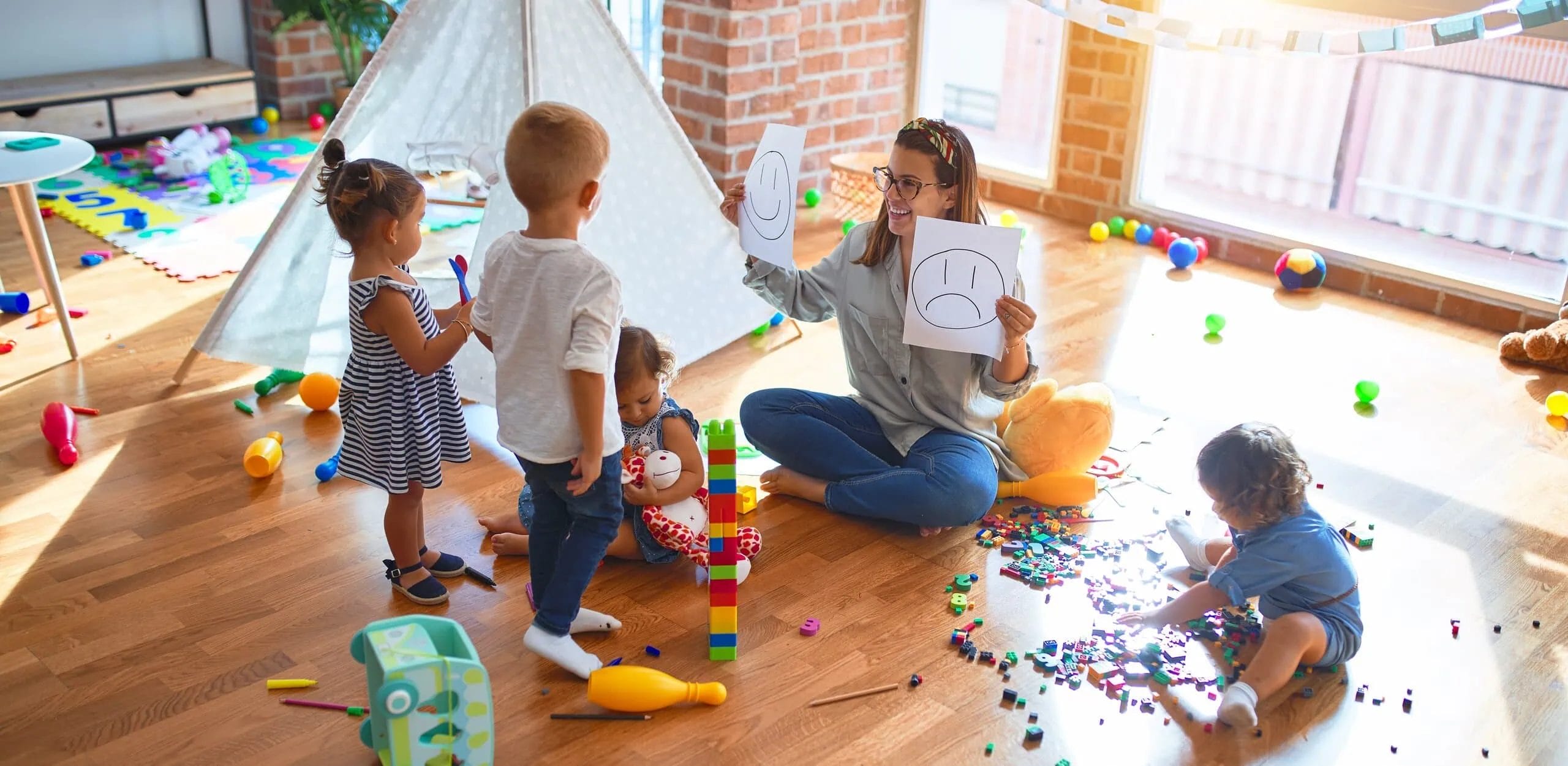
Children learn in a school-like routine, with a mix of academics, play, and therapies built into the day.
Sample Day
- Morning circle: Greetings, calendar, group interaction
- Language & listening time: Storytelling, picture talk, concept building
- Academic block: Pre‑writing, reading, numbers, curriculum work
- Therapy slots: Speech/AVT, OT, Autism/Behavior, Special Education as per plan
- Structured play & social time: Group games, sharing, turn‑taking
- Parent briefing (as scheduled): Short updates or weekly review meets

How We Group Children
We do not mix all children in one big group. Each child is first assessed and then placed in a small group with similar needs and levels. This makes teaching focused, safe, and effective.
Grouping principles
- By age band and skill level (communication, learning, behavior)
- Separate groups for beginners vs. more advanced children
- Class size kept small to give attention and manage behavior
- Additional 1:1 sessions where needed for specific goals

Integrated Therapies Inside the Program
Instead of running behind multiple centers, families get all key therapies under one roof, aligned to one common plan.
List
- Speech & Language Therapy – clarity, vocabulary, sentence building
- Auditory‑Verbal Therapy (AVT) – for children with hearing aids/cochlear implants
- Autism / Behavior Therapy – attention, behavior, routines, social skills
- Occupational Therapy (OT) – sitting tolerance, handwriting, sensory issues, motor skills
- Special Education – reading, writing, math, and classroom skills support

Parent Involvement & Tracking
We believe parents are equal partners. You will always know what is happening and how to help at home.
Key elements
- Monthly plan with simple goals shared in writing
- Weekly or biweekly parent–therapist meetings (in person or online)
- Observation options: in-room or via one-way mirror / video (where available)
- Short, doable home activities sent in a diary or app
- Progress reviews every 1–3 months with clear decisions about next steps

Infrastructure & Environment
The physical space is designed like a high-quality preschool and therapy center combined.
Highlights
- Large, bright classrooms with child‑sized furniture and safe play areas
- Separate therapy rooms for speech, OT, and behavior sessions
- Low-noise, low‑distraction environment suited for children with sensory needs
- Age‑appropriate teaching materials, visual schedules, and sensory tools
- Hygiene and safety protocols suitable for young children

Outcomes You Can Expect
Most families see clear, practical changes in their child’s daily life and school readiness over time. We track outcomes in ways parents can understand.
Example outcomes
- Better attention, sitting time, and ability to follow classroom rules
- Improved eye contact, interaction, and play with peers
- Clearer speech and better understanding of instructions
- Stronger pre‑academic and academic skills (letters, words, numbers, writing)
- Increased confidence to join or continue in regular school with support

Fees & Admission
We aim to keep the program affordable without compromising quality. Fees depend on the number of hours, therapies included, and support needed.
Highlights
- Transparent monthly fee structure explained before admission
- Multiple plans based on half‑day, full‑day, or hybrid options
- Support through RASHVI for eligible low‑income families where possible


Ready to explore?
Check if our SRP / Bridge School is right for your child?
Schedule a detailed assessment. Ask about SRP, Preschool.

Frequently Asked Questions
Program is offered in our specialised center where we offer both Therapies as well as school program upto 3rd grade, making it is a bridge program between therapy and regular school. Children get classroom-style learning plus built‑in therapies in one place.
We mainly support children from 2 to 9 years, covering preschool to 3rd grade.
Yes. Groups are small, and every child has an individual plan. Therapists and teachers adjust tasks to your child’s level. Also each kid will have a separate individual therapy session(s) as needed.
That is our main goal. Once your child is able to cope in a regular classroom with or without support, we help you plan the transition.
For Bridge School classes, we follow the standard school curriculum with needed accommodations. For younger children, we focus on school readiness skills and early academics.
It depends on the assessment. The plan may include several therapy sessions per week inside the program, plus structured group activities that build the same skills.
Parent may attend therapies and presence is planned and structured for SRP. Sometimes you will be invited in to learn strategies, and at other times we may use observation through glass or video.
We first assess whether the child can manage a group with support. Some children may start with more 1:1 sessions and then slowly join small groups.
Transport can be arranged on special request and we do not provide meals. Our team will explain available options during the visit.
It varies. Some children need 6–12 months, others longer. We review progress regularly and discuss realistic timelines with you.
No. We accept children both with and without formal diagnoses, as long as they need extra support to manage school.