Cochlear Implant lets hear again, But with best AVT makes the child speak
/
Loop
Announcements
From Diagnosis to Lifetime Support
We don't just restore hearing; we restore lives. Experience India’s most advanced diagnostic protocols, surgical excellence, and precision mapping, American Standard AVT under one roof.

What is CI & Why It Matters
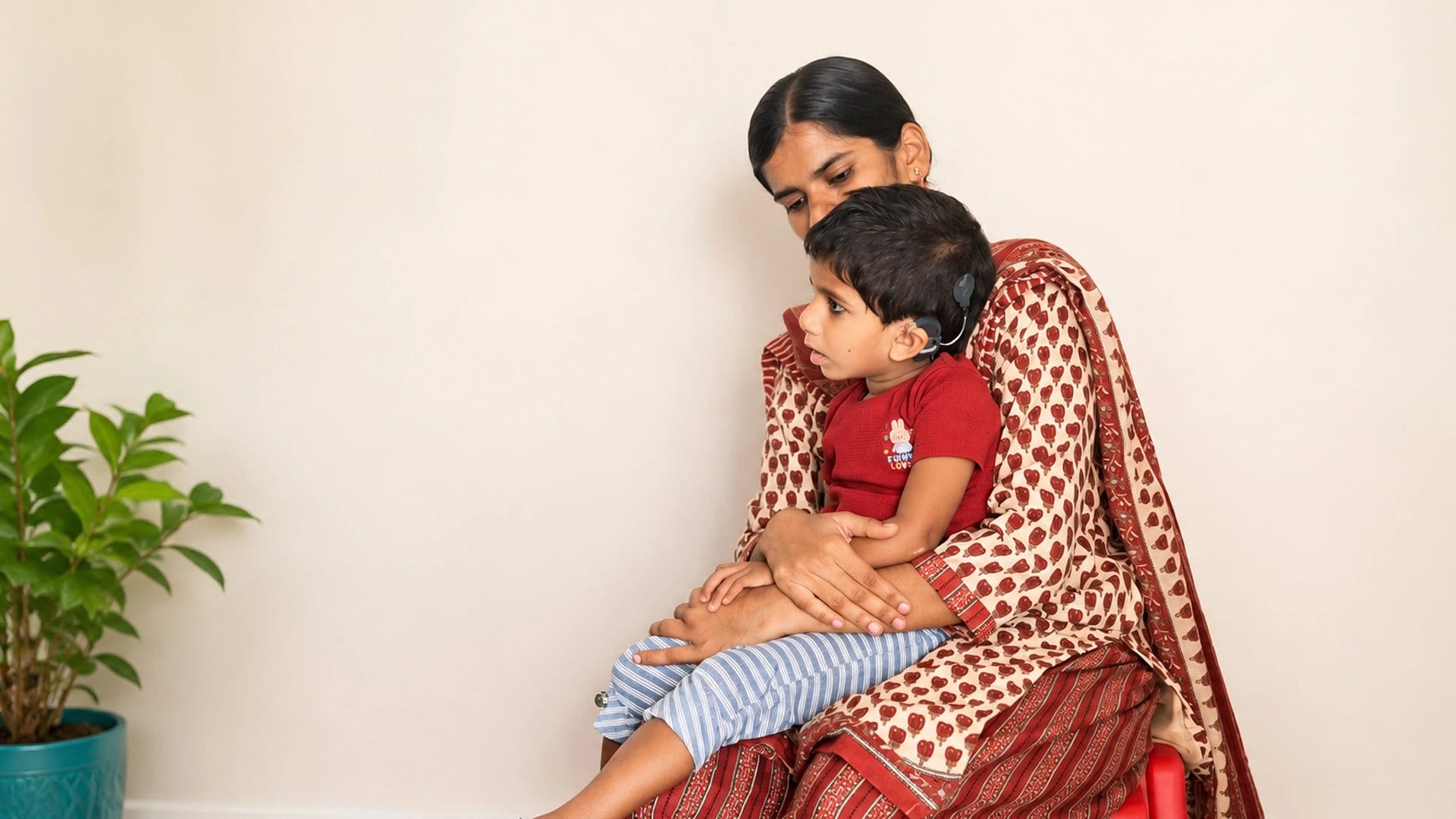
Cochlear implants bypass damaged inner ear hair cells to stimulate hearing nerves, enabling listening and spoken language. When paired with early intervention, AVT, and school supports, CI can unlock substantial communication gains and smoother integration into mainstream education.
More Than Just CI Surgery or Therapy
Our goal is not only to offer "Surgery" or “do therapy.” Our goal is to walk with the family—from the first hearing concern to school, teenage years, higher studies, and career. We don’t just work on hearing. We work on the child’s life.
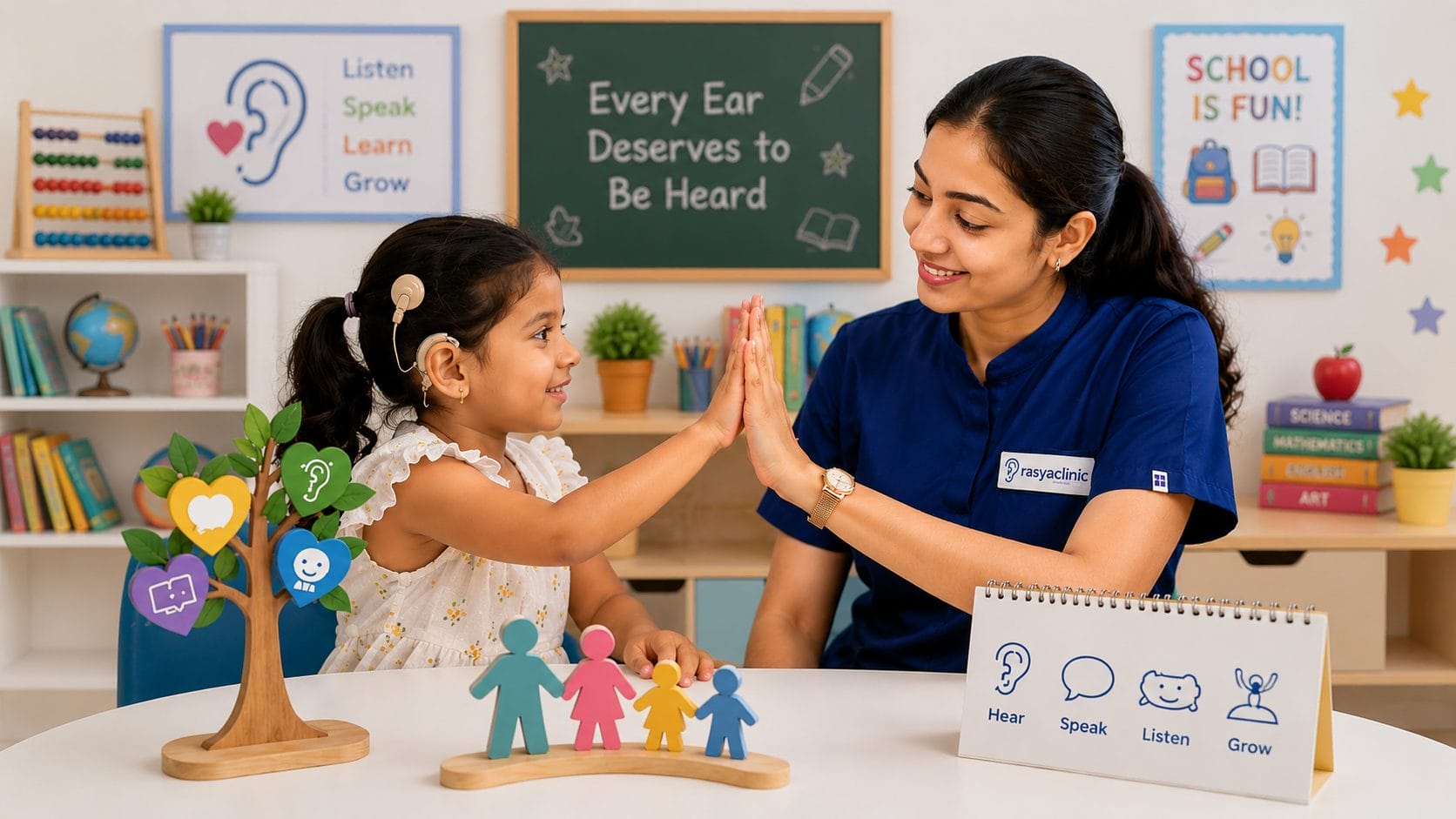
Many places offer CI-related services, but families often have to run between hospitals, therapy centers, and schools. At RASYA, we built a complete system with strong protocols and infrastructure.
Our key strengths:
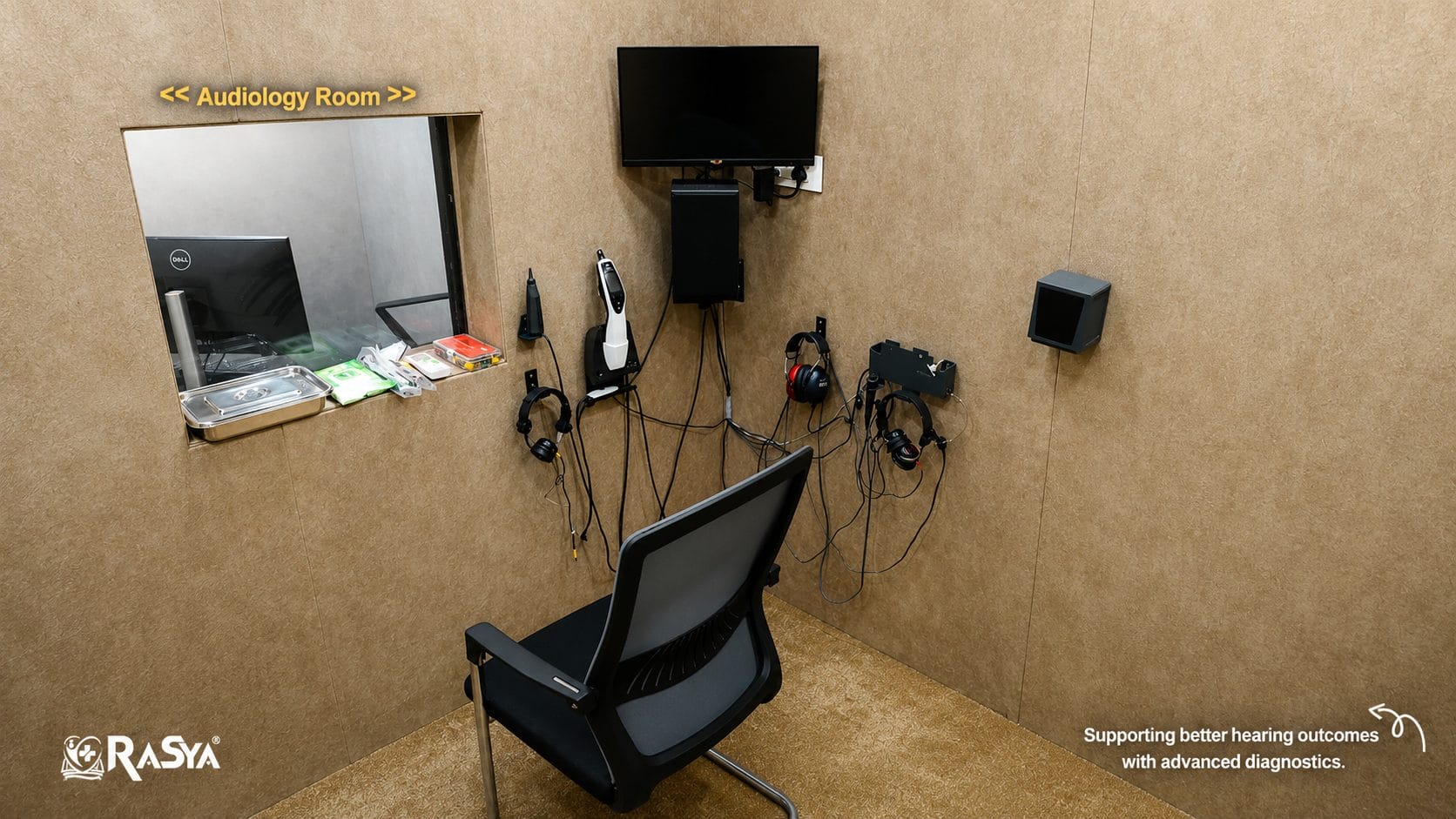
Before big decisions, families deserve the most accurate picture possible. We use detailed testing to understand where the hearing issue is and what type it is—so the plan is correct.
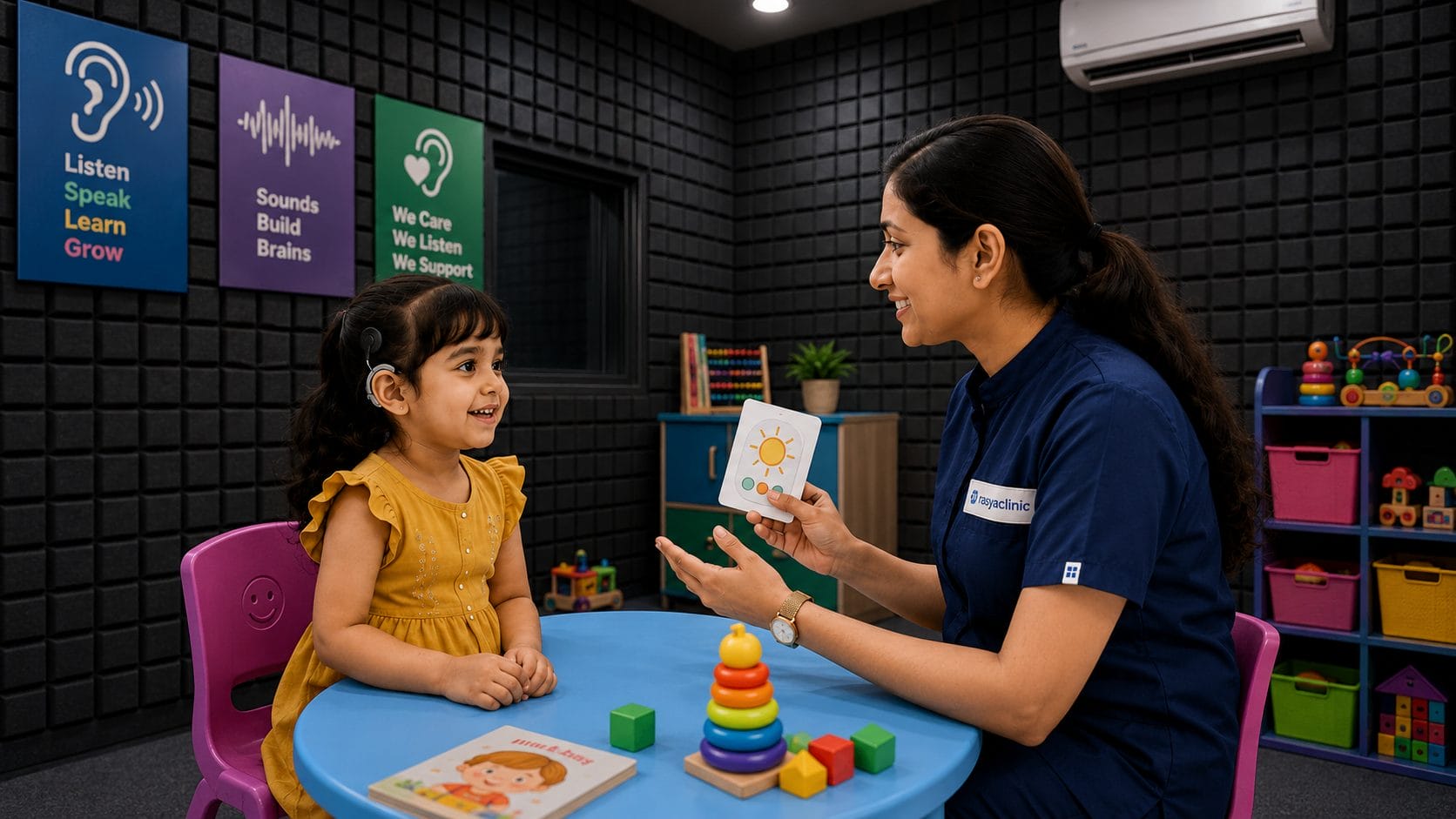
Many families lose months while waiting for surgery decisions, paperwork, or hospital timelines. But a child’s brain has a “golden period” for learning sound and language—especially in the first 3 years. We protect that time.
Our early-action protocol:
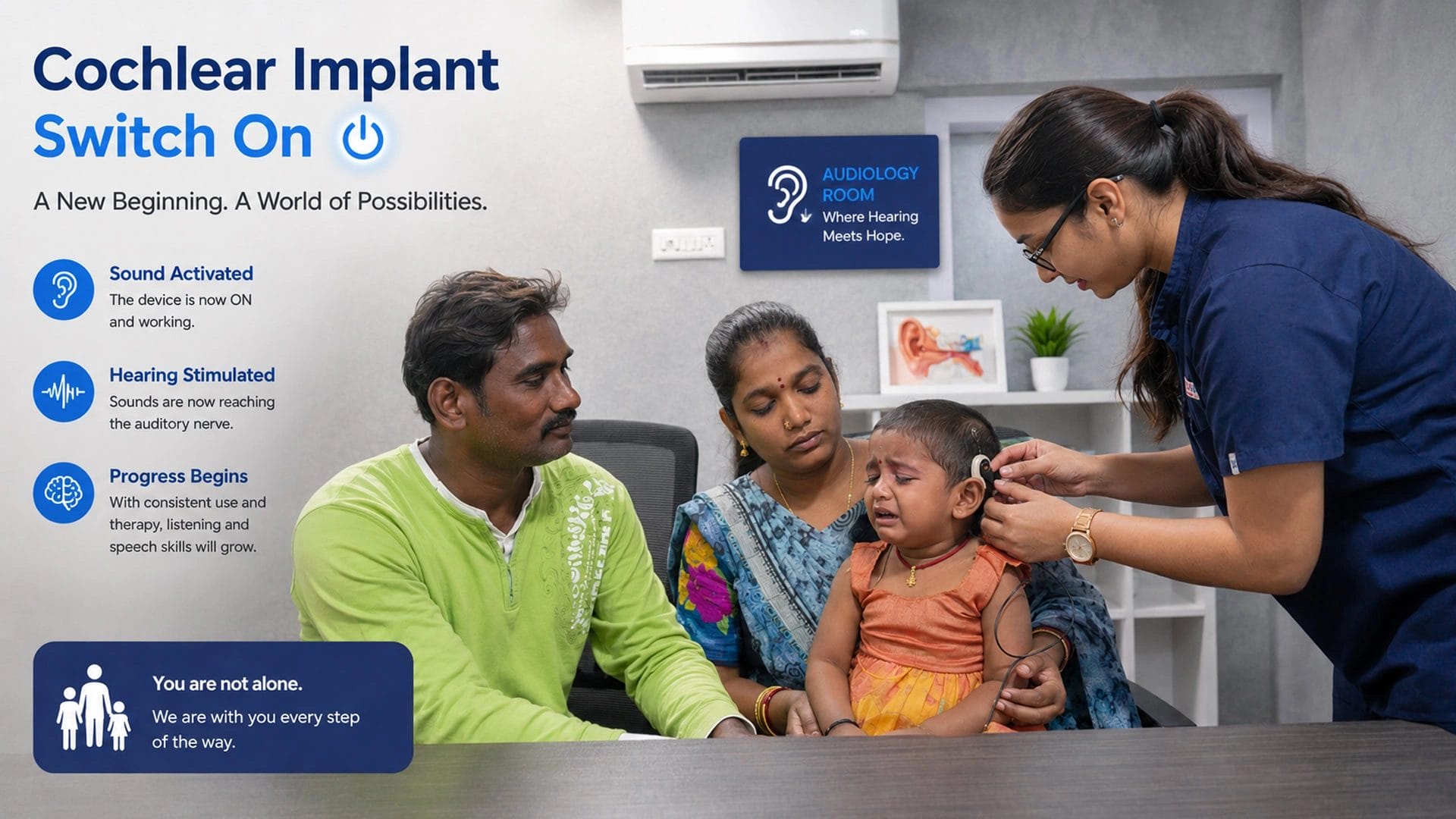
Cochlear implant outcomes depend heavily on two things: good mapping and good therapy (AVT). We focus strongly on both.
What we do:
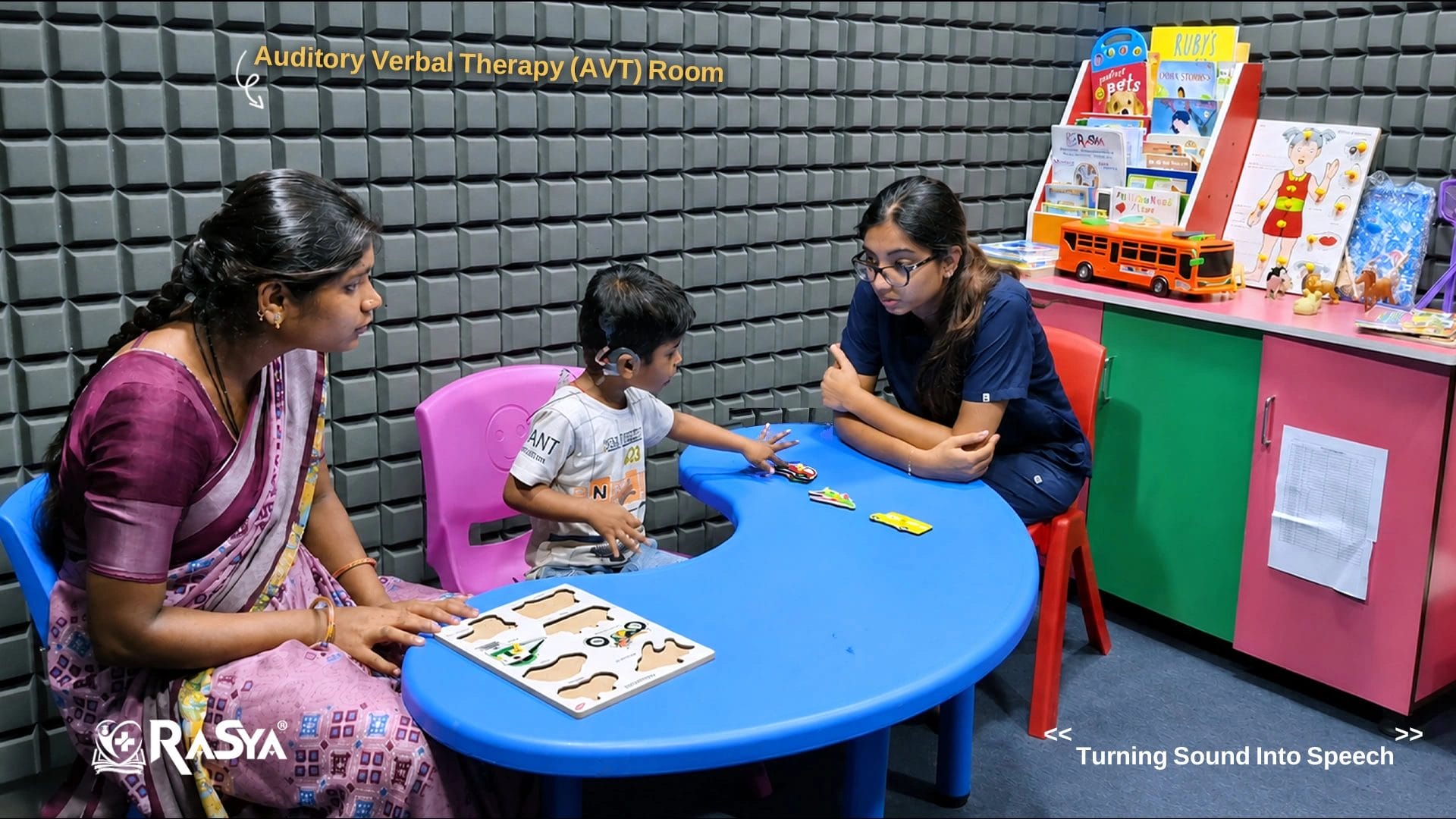
AVT is not the same as regular speech therapy. In AVT, children learn to depend on listening—not on visual cues. Our environment and process support this properly.
Our 3‑stage AVT pathway:
Stage 1: Sound‑treated room (quiet)
Best for newly activated CI children to detect and differentiate sounds without distractions.
Stage 2: Controlled noise (semi sound‑treated)
We slowly introduce background noise so children learn to listen in everyday situations.
Stage 3: Real world listening (regular rooms)
Children practice listening in normal environments—because school and life are not silent.
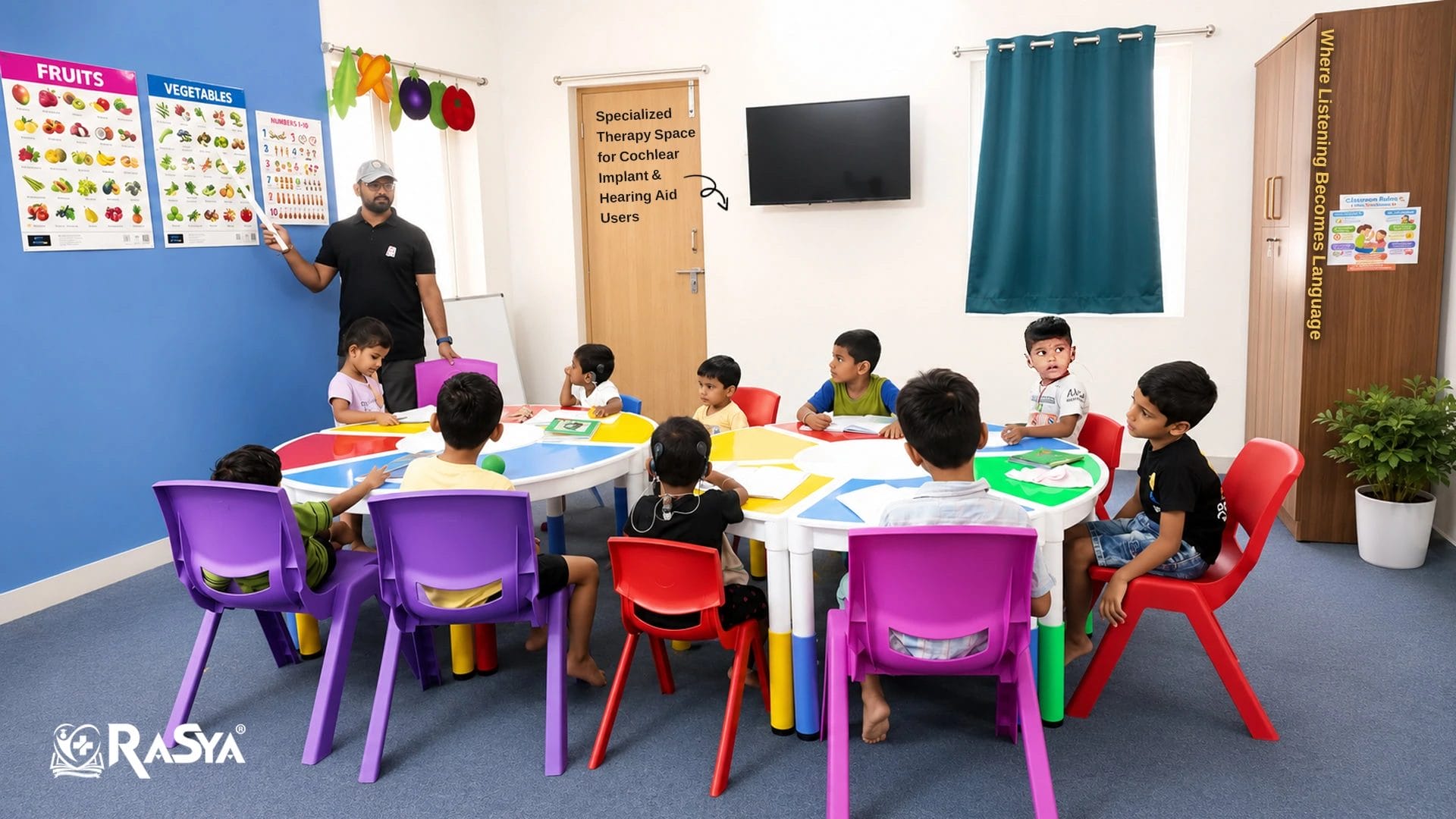
Many families are working or live in nuclear setups. In such cases, children may not get enough talking, reading, and sound exposure at home. Therapy alone (45–60 minutes) is not enough.
Our solution:
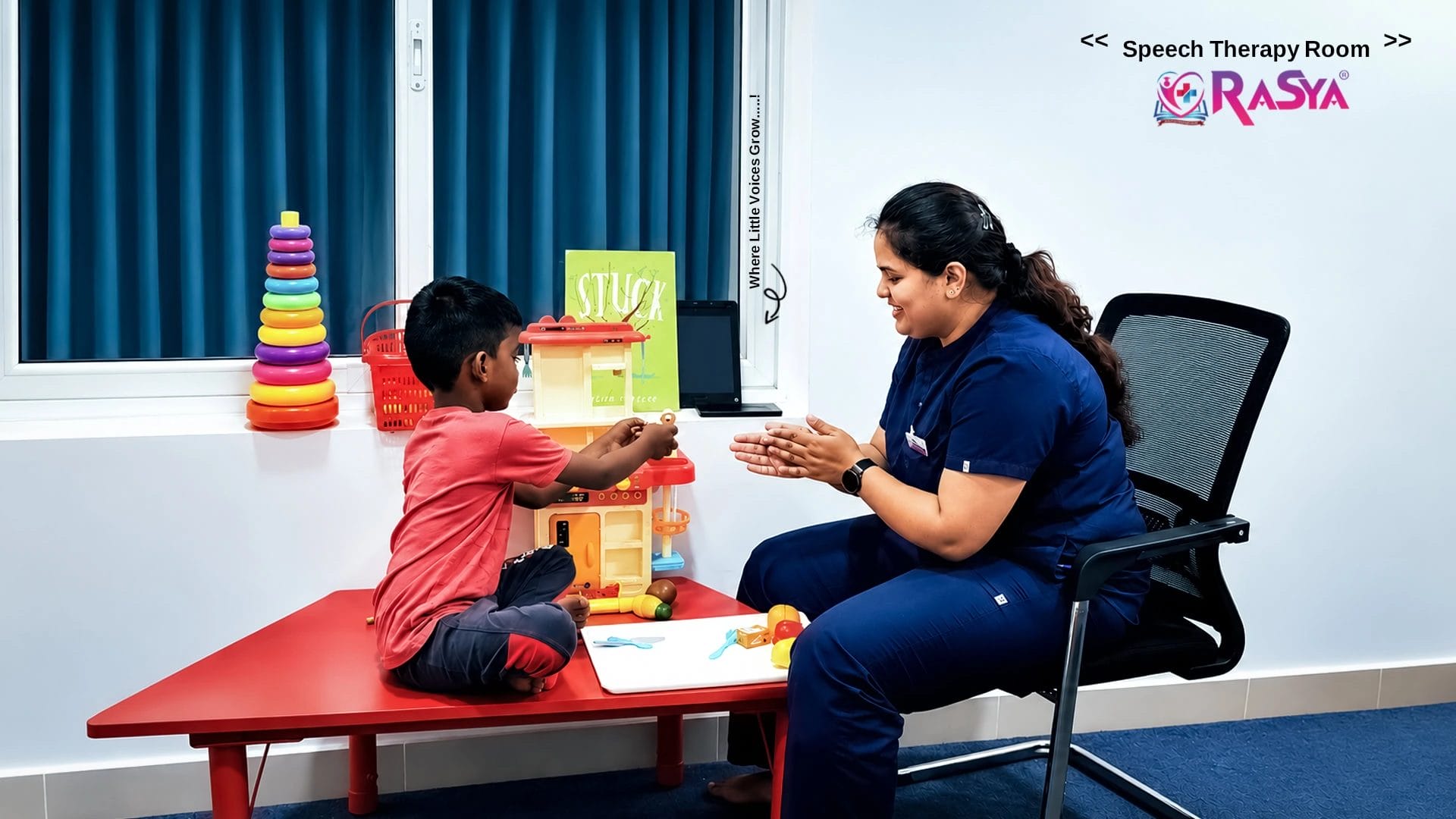
Children with CIs often need simple classroom supports to succeed. We don’t stop at the clinic door—we help with school adjustment too.
Support includes:
A cochlear implant is a long journey, not a one-time event. We continue supporting families as the child grows.
What lifelong support can include:
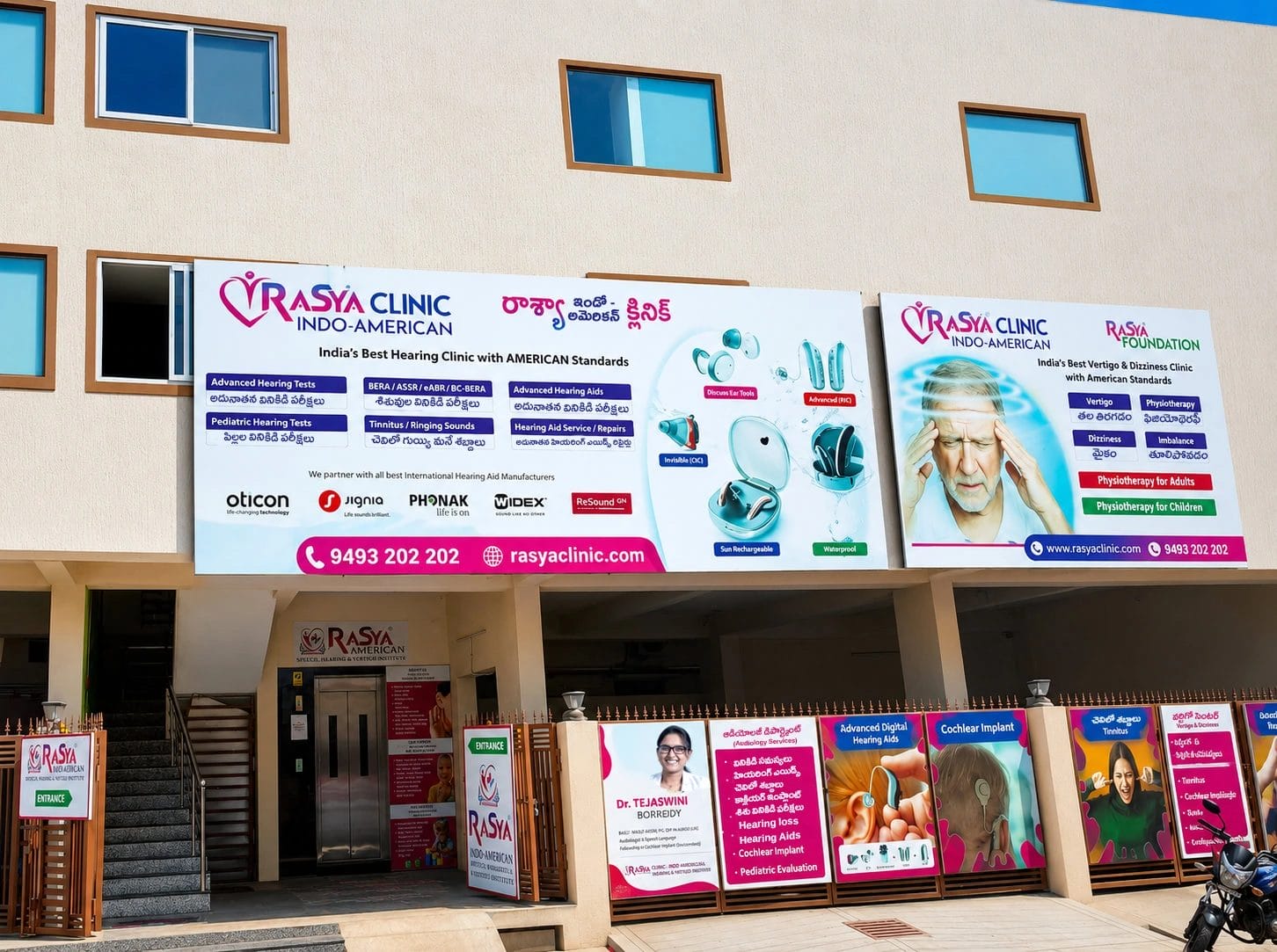
At RASYA, families can access advanced diagnosis, counseling, hearing aids, ENT collaboration, CI mapping, AVT, SRP/daycare, inclusive education, school support, and lifelong follow-up—in one system. We are not only restoring hearing.
We strive to restore lives.
Ready to experience the best CI service?
Schedule a visit and detailed assessment.


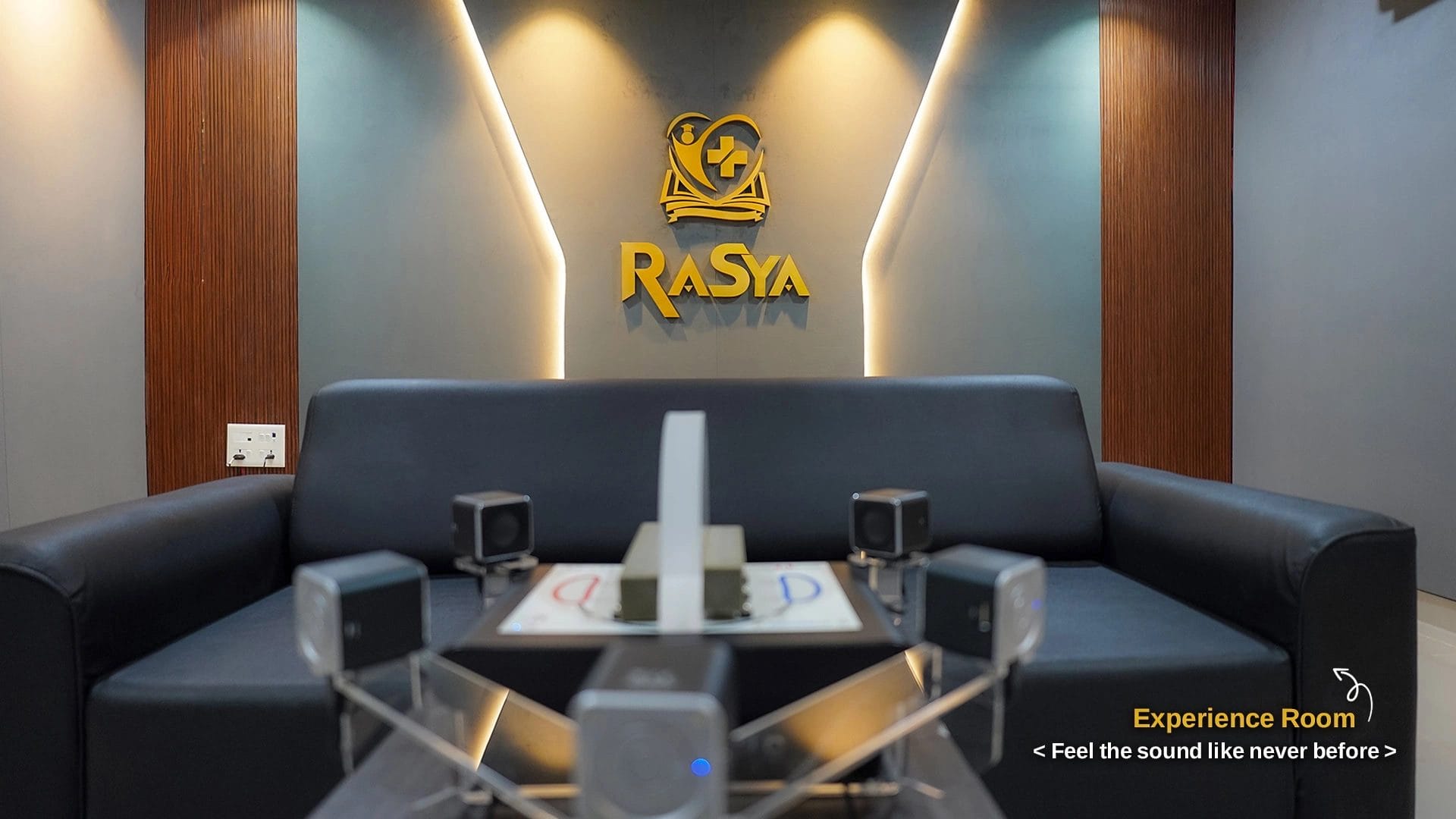
We do detailed testing and explain results clearly. The goal is an informed decision, not a rushed one.
Child cannot express like adults, and we can never take chance with children especially that may have a permanent affect, so we do all advanced tests before we conclude the final diagnosis, think of our tests as secondary opinion within our center before making final decision. Better diagnosis means better outcomes and fewer mistakes.
Mapping is adjusting the implant settings so your child gets clear, comfortable sound. It needs regular updates, especially in children.
Even with a good surgery, poor mapping can limit listening and speech progress. Accurate mapping helps AVT work better.
Yes. If advised, we start hearing aids and early listening/speech work immediately so we don’t lose the golden period.
We guide families on hearing aids and also offer rental options so parents can start early without heavy upfront cost.
Not exactly. AVT focuses on listening-first (no visual cues) so the child learns to depend on hearing for spoken language.
We check mapping/device access, listening skills, and therapy approach. Often, improving access + structured AVT brings change.
Yes. We guide families and schools on seating, classroom strategies, and learning supports if needed.
It’s a journey. Early progress can be seen in months, but listening, language, academics, and confidence build over years. We support long-term.
Yes. We can coordinate reports and follow-ups, and guide families on long-term planning (including remote support when possible).
Yes. Mapping updates, listening support, and life-stage guidance can continue beyond childhood.