
Quick answer
A hearing aid fitting means programming a hearing aid to your exact hearing loss, verifying it with real-ear measurement, fitting it comfortably and fine-tuning it over follow-up visits. Buying the right device is only step one; the fitting is what decides how well you actually hear, so it should always be done by a qualified audiologist.
Key takeaways
- Choosing a device is only step one; correct programming and verification decide the result.
- Your audiogram tells the audiologist which sounds to amplify and by how much
- Real-ear measurement (REM) confirms the hearing aid delivers the right sound inside your ear, not just on the software.
- Your brain needs a few weeks to adapt, so wearing time is built up gradually.
- Hearing aids need follow-up, fine-tuning and simple daily care to keep working well.
- Sudden hearing loss is a medical emergency, not a fitting problem.
At a glance
| Main device styles | Behind-the-ear (BTE), receiver-in-canal (RIC), in-the-ear (ITE) |
| Key verification step | Real-ear measurement (REM) |
| Adjustment period | A few weeks, with gradually increased wearing time |
| First follow-up | Usually within a few weeks of fitting |
| Daily care | Cleaning, moisture protection, battery/charging, wax-guard checks |
| Red flag | Any sudden drop in hearing needs urgent medical assessment |
Hearing difficulties can affect more than the ability to hear sounds. They may make conversations challenging, reduce confidence in social situations and create frustration in everyday communication. Hearing aids can help overcome many of these difficulties by making important sounds more accessible and improving communication in daily life.
However, choosing a hearing aid is only the first step. To achieve the best possible results, the device must be programmed according to the individual’s hearing needs, fitted comfortably and verified by a qualified audiologist.
This guide explains the hearing aid fitting process, from the initial assessment to follow-up care, so that individuals and their families know what to expect throughout their hearing rehabilitation journey.
Choosing the right hearing aid
“Virtual autism” is not a medical diagnosis. It does not appear in the ICD-11 or DSM-5, the manuals doctors use to diagnose developmental conditions. The term was first used in 2018 by a Romanian psychologist to describe young children who showed autism-like signs after heavy screen exposure, and who improved when screens were reduced and interaction increased.
Many clinicians prefer a plainer term: screen-related developmental delay. The behaviour looks similar to autism, but the cause and the outlook can be different.

Can screen time cause autism?
Every person experiences hearing loss differently. The most suitable hearing aid depends on several factors, including the type and degree of hearing loss, ear anatomy, communication requirements, lifestyle and personal preferences.
Before selecting a device, consider the following:
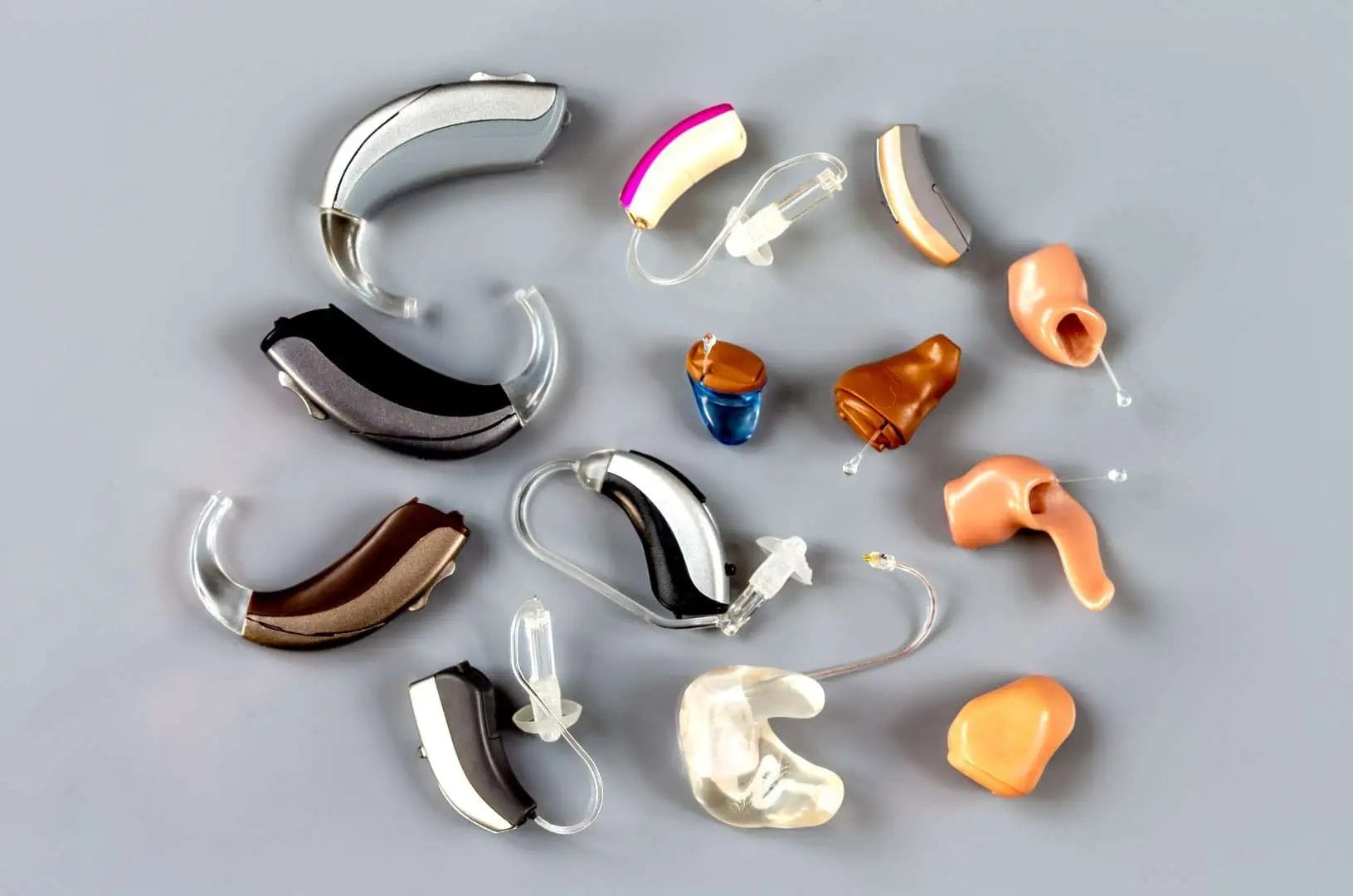
- Understand the available styles. Hearing aids come in different designs, including behind-the-ear (BTE), receiver-in-canal (RIC) and in-the-ear (ITE) models.
- Consider your daily activities. Work environments, family conversations, telephone use, meetings and social gatherings can influence the features you need.
- Discuss your expectations. Tell your audiologist which listening situations are most difficult for you.
- Explore device features. Depending on your needs, useful options may include directional microphones, background-noise management, rechargeable batteries and Bluetooth connectivity.
- Ask questions before deciding. Understand the device’s features, maintenance requirements, warranty and follow-up services.
The goal is not simply to select an advanced device, but to find one that suits your hearing profile and everyday life.
Why an audiogram is important
An audiogram is a graphical representation of a person’s hearing sensitivity at different sound frequencies. It is obtained through a hearing evaluation and helps the audiologist understand which sounds are difficult to hear.
The audiogram provides important information about:
- The degree of hearing loss in each ear.
- The frequencies affected by hearing loss.
- Differences in hearing between the two ears.
- The hearing levels to consider when programming the hearing aids.
The audiogram is one part of the fitting process. The audiologist may also consider speech audiometry, middle-ear assessment, medical history, ear examination and other relevant test findings. Using this information, the hearing aid can be programmed to provide appropriate amplification while keeping listening comfortable.
Why proper hearing aid fitting matters
A hearing aid should do more than make sounds louder. It should help the wearer access speech and environmental sounds at appropriate levels without causing discomfort.
A carefully fitted hearing aid can help to:
- Improve access to speech during conversations.
- Make everyday environmental sounds more noticeable.
- Reduce the effort required to follow conversations.
- Support participation in family, professional and social activities.
- Provide a more comfortable and balanced listening experience.
An unsuitable fitting may cause excessive loudness, whistling or feedback, discomfort, or difficulty understanding speech in noisy surroundings. Professional fitting and regular fine-tuning help address these problems and improve the overall listening experience.These signs do not confirm autism, but they are reasons not to wait.

What happens during a hearing aid fitting appointment?
The initial fitting appointment involves several stages.
- Step 1: Reviewing the hearing assessment. The audiologist reviews the audiogram, hearing history, communication difficulties and other test results to set appropriate fitting goals.
- Step 2: Inspecting the ear and checking the device. The ear canal and outer ear are examined, and the hearing aid, earmould or dome, tubing and other components are checked.
- Step 3: Programming the hearing aid. The device is connected to fitting software and programmed using your hearing thresholds and an appropriate prescription method, adjusted to your needs and preferences.
- Step 4: Checking physical fit and comfort. The hearing aid is placed in the ear and its position, retention and comfort are assessed, checking for pressure, irritation or poor insertion.
- Step 5: Verifying sound output. The audiologist checks whether the hearing aid provides suitable amplification, which may include real-ear measurement.
- Step 6: Demonstrating use and care. You learn how to insert and remove the device, operate the controls, change programs, charge or replace batteries, clean it and spot common problems.
- Step 7: Setting realistic expectations. The audiologist explains that adjustment takes time and that further appointments may be needed to refine the settings.
A successful fitting is a collaborative process, and your feedback is essential for achieving comfortable, useful hearing.

Real-ear measurement: verifying the fitting
Real-ear measurement (REM) is an important verification step. A thin probe microphone is placed in the ear canal alongside the hearing aid, and the audiologist measures the sound reaching the eardrum area while the device is working. This measured output is then compared with prescribed amplification targets.
Why REM matters:
- It accounts for individual differences in ear-canal acoustics.
- It helps verify whether the hearing aid provides the intended amplification.
- It supports correct adjustment of soft, conversational and loud speech.
- It helps identify under-amplification or excessive output.
- It gives objective information to guide programming decisions.
Programming software only estimates performance; your individual ear acoustics change the actual sound delivered, and real-ear verification bridges that gap. When clinically appropriate, the maximum output is also checked so amplified sounds stay within safe, comfortable limits
Fine-tuning the hearing aid for individual needs
The first fitting may not resolve every listening difficulty. Some people find their own voice unusually loud, environmental sounds unfamiliar or conversations hard to follow in noisy places. Fine-tuning adjusts the settings based on clinical verification and your experience. Examples include:
- Adjusting overall amplification when sounds are too loud or too soft.
- Reviewing high-frequency amplification for speech clarity.
- Modifying noise-reduction or directional microphone settings where appropriate.
- Addressing feedback or whistling.
- Adjusting programs for specific listening environments.
- Reviewing comfort, sound quality and speech understanding.
Changes should be guided by your hearing results, objective measurements and feedback, not by preference alone. As you get used to the device, further adjustments may help.
How to adapt to new hearing aids
When hearing aids are first introduced, familiar sounds may seem unusually prominent. Footsteps, running water, rustling paper, traffic and even your own voice may sound different, partly because the brain needs time to get used to sounds that were previously difficult to hear. These strategies make the adjustment easier:
- Begin in familiar surroundings. Start at home, where conversations and sounds are more predictable.
- Increase wearing time gradually. Follow your audiologist’s advice and build up daily use according to comfort.
- Practise one-to-one conversations. Begin with a familiar speaker in a quiet room before harder situations.
- Explain your needs to family. Ask others to face you, speak clearly and avoid talking from another room.
- Practise active listening. Identify everyday sounds and follow short, familiar conversations.
- Allow time. Do not expect every sound to feel natural at once, and report persistent loudness, discomfort, distortion or difficulty understanding speech.
Hearing aid use should be comfortable. Pain, irritation or persistent unpleasant sound quality should not be ignored.
Follow-up appointments and ongoing adjustments
Fitting does not end when the device is handed over. Follow-up appointments check whether you are benefiting and whether any changes are needed. During these visits, the audiologist may:
- Review daily wearing time and listening experiences.
- Discuss difficulties in quiet and noisy environments.
- Reassess physical comfort and device retention.
- Check hearing aid function and sound output.
- Adjust programming based on your needs.
- Clean the device and inspect its components.
- Give further guidance on communication strategies.
Follow-up schedules vary by individual needs, device type and clinical findings, and a further hearing assessment may be advised if your hearing changes. Regular professional care helps maintain performance and supports long-term hearing rehabilitation.
Hearing aid maintenance and daily care
Correct maintenance keeps hearing aids working reliably and reduces avoidable repairs.
- Cleaning. Clean the device per the manufacturer’s instructions with a dry cloth and brush, paying attention to the microphone openings, dome, earmould and wax guard.
- Moisture protection. Remove hearing aids before bathing or swimming unless stated otherwise, store them dry and use an approved drying system if recommended.
- Battery and charging care. Follow the charging instructions for rechargeable models; for disposable batteries, replace them when needed and keep spares.
- Earwax management. Wax can block the sound outlet or wax guard; arrange professional cleaning or wax-guard replacement when required, and never insert sharp objects into the device.
- Safe storage. Keep hearing aids in their case, away from pets, children, heat and accidental damage.
- Periodic servicing. Arrange professional maintenance if the device sounds weak or distorted, cuts out, or develops persistent feedback.
Common challenges and when to seek help
Some difficulties can be resolved with minor adjustments, while others need a detailed review.
- Sounds seem too loud. If sounds feel uncomfortably loud, consult your audiologist to adjust the hearing aid settings.
- Speech is unclear. If you have difficulty understanding speech, ask your audiologist to review the programming, verify the hearing aid output and assess speech understanding.
- Hearing aid whistles. Check whether the hearing aid is inserted correctly and fits comfortably. If whistling continues, consult your audiologist.
- Sound is weak or absent. Check the battery or charging status, device placement and wax guard according to the manufacturer’s instructions.
- Discomfort or irritation in the ear. Mild pressure may settle as you adjust, but persistent pain or soreness should be checked, as the fit may need changing.
- Sudden change in hearing. Seek urgent medical assessment for any sudden decrease in hearing rather than relying on hearing aid adjustments alone.
Persistent difficulties should be discussed with your audiologist instead of making repeated programming changes without assessment
Hearing aids and long-term hearing health
Hearing aids are an important part of hearing rehabilitation, but the best outcomes often involve more than amplification alone.
Depending on individual needs, a rehabilitation plan may include communication training, auditory training, assistive listening devices, family counselling and periodic hearing assessments.
For some individuals, especially those with severe or profound hearing loss, limited benefit from appropriately fitted hearing aids may warrant further evaluation for other hearing rehabilitation options.
The aim is to help every individual communicate more effectively, participate more confidently and make informed decisions about their hearing health.
Why choose RASYA Clinic in Hyderabad for your hearing aid fitting
The device matters, but the audiologist who programmes and verifies it matters more.
- American-trained audiologists. Our founders hold American Au.D. doctorates, and our fittings follow American university protocols. This approach is the first of its kind in India.
- Real-ear measurement as standard. We verify every fitting with real-ear measurement, including in noisy settings, instead of relying on the manufacturer’s default settings.
- Try before you buy. Trials of multiple brands and a home trial of up to two weeks.
- Lifetime service plan. Free hearing tests, follow-ups, reprogramming, maintenance and cleaning are covered.
- Experience. More than 7,000 patients and 60+ services across our clinics, at Jubilee Hills, Hyderabad.
Learn more about our hearing aids and hearing loss care.
Common FAQ’s
1. How long does a hearing aid fitting take?
The first fitting usually takes about an hour, covering programming, verification, comfort checks and training. Fine-tuning then continues over one or two follow-up visits.
2. Is real-ear measurement necessary?
It is strongly recommended. Software only estimates the sound; real-ear measurement confirms what actually reaches your eardrum, which is why it gives a more accurate fitting.
3. How long does it take to get used to hearing aids?
Most people need a few weeks of daily use, building up wearing time gradually. Your brain is relearning sounds it had been missing, so patience and follow-up help.
4. Why does my own voice sound loud or strange?
This is common at first and usually settles as you adjust. If it persists, tell your audiologist, as the settings or fit can be refined.
5. Why is my hearing aid whistling?
Whistling (feedback) often means the device is not inserted correctly or the fit has loosened. Re-insert it carefully; if it continues, or if there is wax build-up, see your audiologist.
6. How often should I come for follow-up?
The first follow-up is usually within a few weeks, then as needed. A further hearing test is advised if you notice any change in your hearing.
7. What should I do if my hearing suddenly drops?
Treat it as a medical emergency. Do not adjust the hearing aid and wait; seek urgent medical assessment, as early treatment of sudden hearing loss gives the best chance of recovery.
Conclusion: your journey towards better hearing
A successful hearing aid fitting combines careful assessment, individualised programming, objective verification, practical training and continued follow-up. Choosing the right device is important, but making sure it fits comfortably and provides appropriate amplification is equally essential.
With professional guidance, regular use, realistic expectations and proper maintenance, hearing aids can become valuable tools for everyday communication.
At RASYA Clinic, hearing care is an individualised rehabilitation journey. Professional assessment, appropriate hearing aid selection, fitting verification, counselling and follow-up support help individuals and their families work towards better communication and a better quality of life.
If you have concerns about hearing loss or hearing aid performance, call or WhatsApp 9493 202 202 or book an appointment online to see a qualified audiologist in Hyderabad.